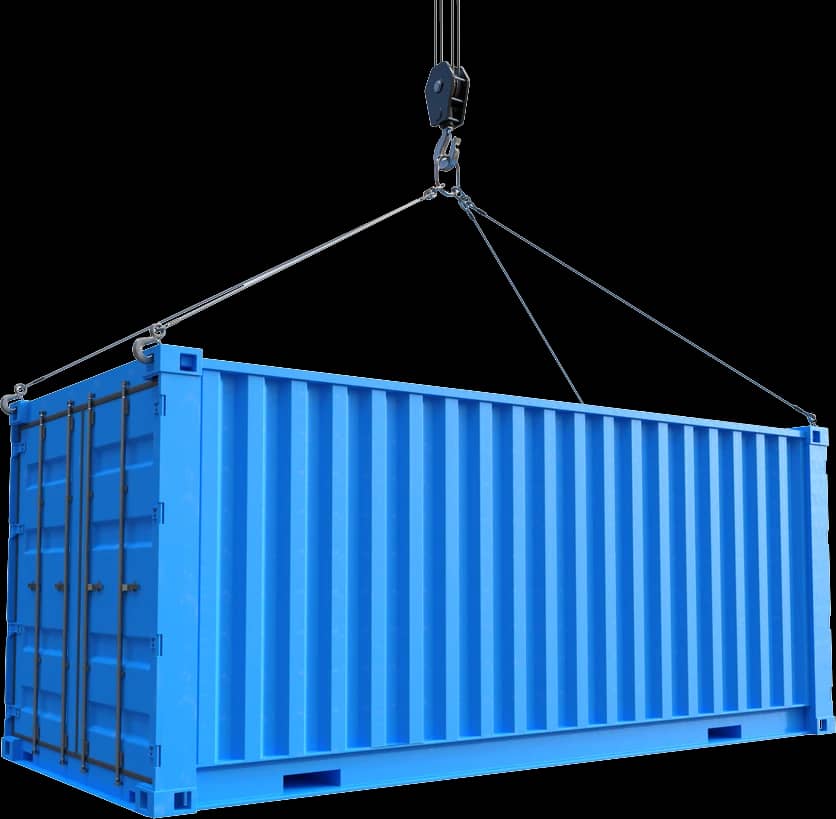
FCL – Full Container Load
FCL is suitable when your cargo needs a dedicated container. It can be planned for regular commercial shipments, larger volumes and cargo that benefits from dedicated container space.
Our Services

Sea freight services involve moving cargo by ocean between ports. Depending on cargo volume and shipment requirements, businesses can use a dedicated container or share container space. Sea transportation can support regular import and export programs as well as larger commercial consignments.
Sea transportation is an important option for businesses moving commercial cargo internationally, particularly when shipment volume and overall logistics economics are key considerations. AR Global Logistics provides sea freight services with FCL and LCL coordination, documentation support and shipment management from origin to destination.
FCL is suitable when your cargo needs a dedicated container. It can be planned for regular commercial shipments, larger volumes and cargo that benefits from dedicated container space.
LCL is useful for smaller shipments that do not require a full container. Cargo is consolidated with other compatible shipments, helping businesses move smaller volumes without booking an entire container.
Our ocean freight service covers standard dry containers, reefer containers, flat racks and open top containers. The specifications below are reference data; actual equipment can vary by carrier and container availability.
Dry containers are designed for general cargo that fits within standard container dimensions and weight limits. Options include 20 ft, 40 ft, 40 ft High Cube and 45 ft dry containers.
| Container Specification | Inside / Container Dimension (mm) | Door Opening (mm) | Load Capacity (CBM) | Tare (kg) | Payload (kg) |
|---|---|---|---|---|---|
| Dry Container – 20 Feet | 5,898 × 2,350 × 2,390 | 2,340 × 2,280 | 33.1 | 2,150 | 28,330 |
| Dry Container – 40 Feet | 12,032 × 2,350 × 2,390 | 2,340 × 2,280 | 67.6 | 3,640 | 26,840 |
| Dry Container – 40 Feet High Cube | 12,032 × 2,350 × 2,695 | 2,340 × 2,585 | 76.2 | 3,700 | 28,800 |
| Dry Container – 45 Feet | 13,556 × 2,352 × 2,697 | 2,340 × 2,585 | 86.0 | 4,650 | 27,850 |
Note: Container specifications are for reference. Actual dimensions and allowable payload may vary by equipment owner, carrier and individual container.
Reefer containers are designed for temperature-sensitive cargo. Refrigeration units circulate conditioned air through the cargo space and allow controlled fresh-air exchange. They are used for cargo such as food products, plants and pharmaceuticals when temperature control is required.
| Container Specification | Inside Measurement (mm) | Outside Measurement (mm) | Door Opening (mm) | Load Capacity (CBM) | Tare (kg) | Payload (kg) |
|---|---|---|---|---|---|---|
| Reefer Container – 20 Feet | 5,456 × 2,288 × 2,263 | 6,058 × 2,438 × 2,591 | 2,290 × 2,221 | 28.2 | 2,810 | 27,670 |
| Reefer Container – 40 Feet High Cube | 11,590 × 2,284 × 2,544 | 12,192 × 2,438 × 2,896 | 2,290 × 2,502 | 67.5 | 4,490 | 30,510 |
Note: Container specifications are for reference. Actual dimensions and allowable payload may vary by equipment owner, carrier and individual container.
Flat racks are designed for cargo that is heavy, over-height or over-width and cannot be loaded into a conventional enclosed container. Collapsible end frames and lashing points help secure cargo for movement.
| Container Specification | Inside Measurement (mm) | Outside Measurement (mm) | Load Capacity (CBM) | Tare (kg) | Payload (kg) |
|---|---|---|---|---|---|
| Flat Rack Container – 20 Feet | 5,568 × 2,194 × 2,213 | 6,058 × 2,438 × 2,591 | 28.4 | 3,100 | 35,000 |
| Flat Rack Container – 40 Feet | 11,652 × 2,208 × 1,955 | 12,192 × 2,438 × 2,591 | 53.2 | 6,200 | 38,800 |
| Flat Rack Container – 40/HC | 11,658 × 2,374 × 2,264 | 12,192 × 2,438 × 2,896 | 64.3 | 6,250 | 52,500 |
Note: Container specifications are for reference. Actual dimensions and allowable payload may vary by equipment owner, carrier and individual container.
Open top containers are useful for over-height or lengthy cargo that may be difficult to load through a standard container door. A removable waterproof tarpaulin roof and internal lashing points secure the cargo during movement. Options include 20 ft, 40 ft and 40 ft High Cube.
| Container Specification | Inside (L×W×H mm) | Door Opening (W×H mm) | Roof Opening (L×W mm) | Swing Header (mm) | Capacity (CBM) | Tare (kg) | Payload (kg) |
|---|---|---|---|---|---|---|---|
| Open Top Container – 20 Feet | 5,898 × 2,350 × 2,348 | 2,340 × 2,280 | 5,680 × 2,252 | 1,940 | 32.5 | 2,240 | 28,240 |
| Open Top Container – 40 Feet | 12,022 × 2,350 × 2,348 | 2,340 × 2,280 | 11,798 × 2,230 | 1,940 | 66.3 | 3,880 | 26,600 |
| Open Top Container – 40/HC | 12,032 × 2,352 × 2,653 | 2,340 × 2,585 | 11,806 × 2,192 | 1,940 | 75.1 | 3,890 | 28,610 |
Note: Container specifications are for reference. Actual dimensions and allowable payload may vary by equipment owner, carrier and individual container.
 Step 1:
 Provide commodity, volume, weight, packaging, origin and destination.
 Step 2:
 We compare FCL or LCL and consider suitable container or equipment options.
 Step 3:
 Space, container, CFS and pickup arrangements are coordinated.
 Step 4:
 Documentation, customs, stuffing and port handling are coordinated.
 Step 5:
 Shipment progress and arrival information are communicated.
 Step 6:
 Destination clearance, inland transportation and final delivery are coordinated.
FCL shipping means Full Container Load. The cargo is allocated a dedicated container, making this option suitable when the shipment volume is sufficient to justify dedicated container space or when the shipper wants greater control over the containerized movement.
LCL shipping, or Less than Container Load, is used when a shipment does not require a full container. Cargo is consolidated with compatible shipments in shared container space. This can provide a practical option for smaller consignments, subject to cargo compatibility and consolidation schedules.
The choice between FCL and LCL depends on cargo volume, dimensions, destination, schedule, handling requirements and overall shipment plan. A freight forwarding partner can assess the shipment details and help determine the practical option.
AR Global Logistics coordinates the key stages of ocean cargo movement, including shipment planning, carrier coordination, container arrangements, documentation and destination delivery requirements. Clear coordination is especially important when shipments involve multiple parties and milestones.
Manufacturers, traders, distributors and other businesses can use ocean transportation for recurring import and export shipments. Shipment planning should account for cargo readiness, documentation, sailing schedules, port processes and final delivery requirements.
International ocean shipments require accurate commercial and shipping documentation. Depending on the transaction and destination, documentation can include commercial invoices, packing lists and transport documents. Requirements vary by shipment and country.
FCL and LCL options allow the shipment plan to match cargo volume.
Dry, reefer, flat rack and open top requirements can be considered where applicable.
Freight, documentation, customs and inland movement can be coordinated through one team.
Container choice and handling requirements are considered around the cargo.
Important booking, transit and arrival milestones are shared with the customer.
AR Global Logistics provides reliable international freight forwarding solutions by air and sea for importers and exporters.
Explore International Freight Forwarding – Air & SeaCustoms clearance is an important part of every international shipment.
Explore Import & Export Customs ClearanceInternational cargo does not end at the port or airport.
Explore Transportation & Distribution