Factory Pickup
Collection from factories, warehouses and supplier locations for export shipments.
Our Services
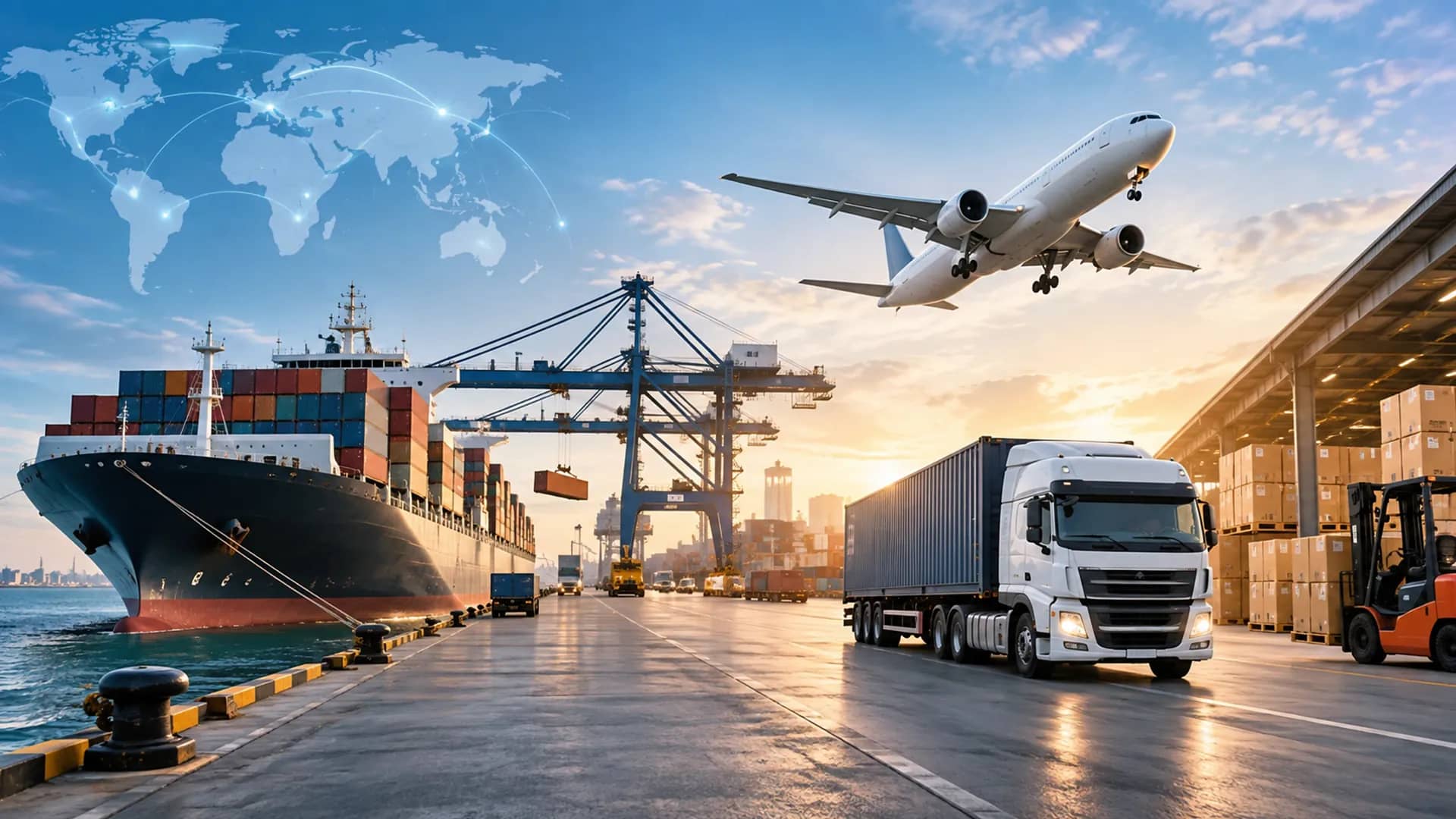
Logistics transportation services cover the movement of goods between locations by suitable road transportation and related delivery arrangements. They connect different stages of a supply chain and can support domestic movement before or after international freight.
Efficient inland movement is essential for connecting ports, airports, warehouses and customer locations. AR Global Logistics provides transportation and distribution coordination to support freight movement, pickup, delivery and last-mile requirements as part of a wider logistics plan.
Collection from factories, warehouses and supplier locations for export shipments.
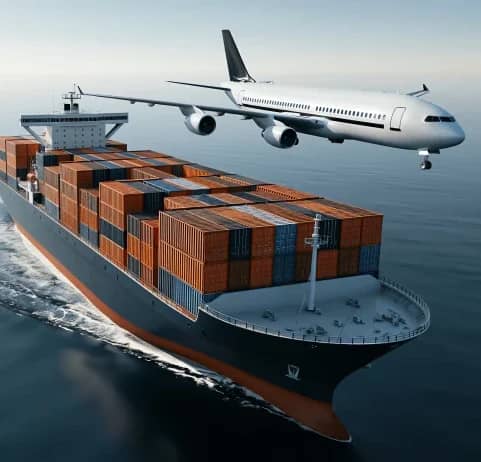
Transport coordination between cargo locations and ports or airports.
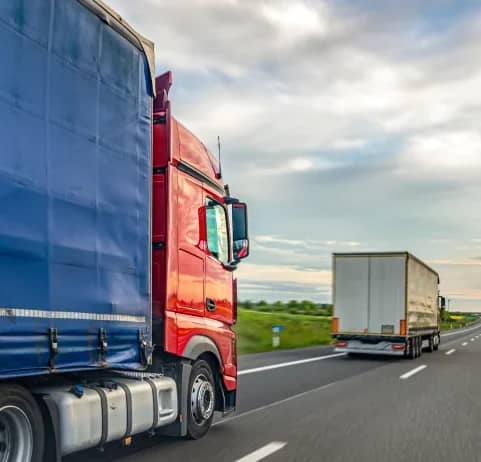
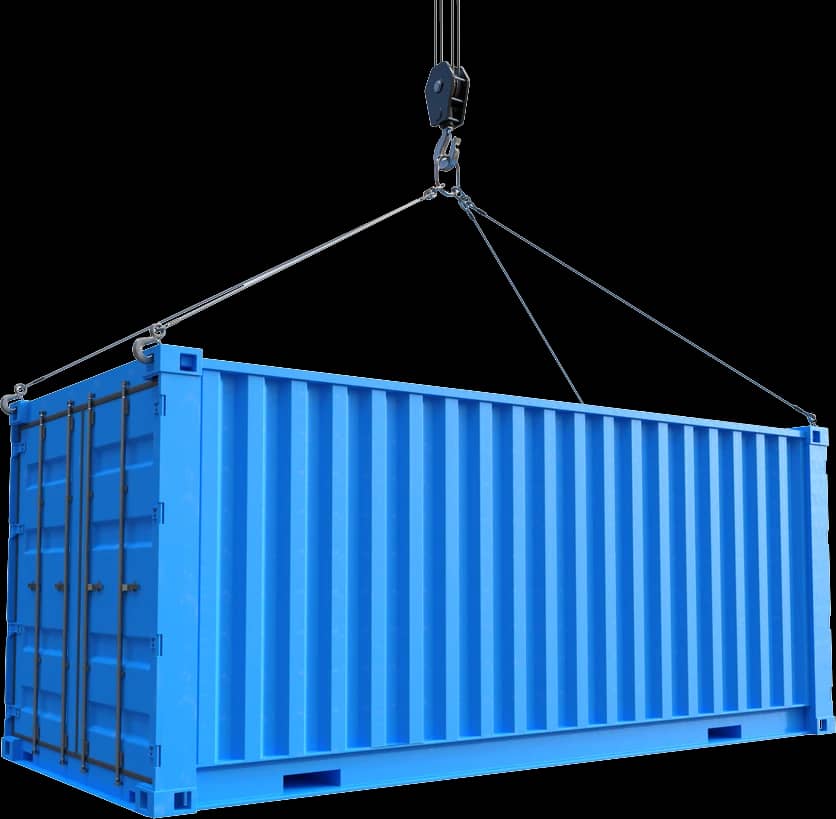
20', 40' and other suitable container transport arrangements.

Import delivery and distribution to the required destination.
 Step 1:
 Provide locations, cargo type, timing and any vehicle requirements.
 Step 2:
 We identify a suitable transportation arrangement and confirm the rate.
 Step 3:
 Vehicle placement and loading are coordinated around the required timing.
 Step 4:
 Relevant transit information is communicated while the cargo is on the road.
 Step 5:
 Delivery is completed at the agreed location and proof of delivery is coordinated.
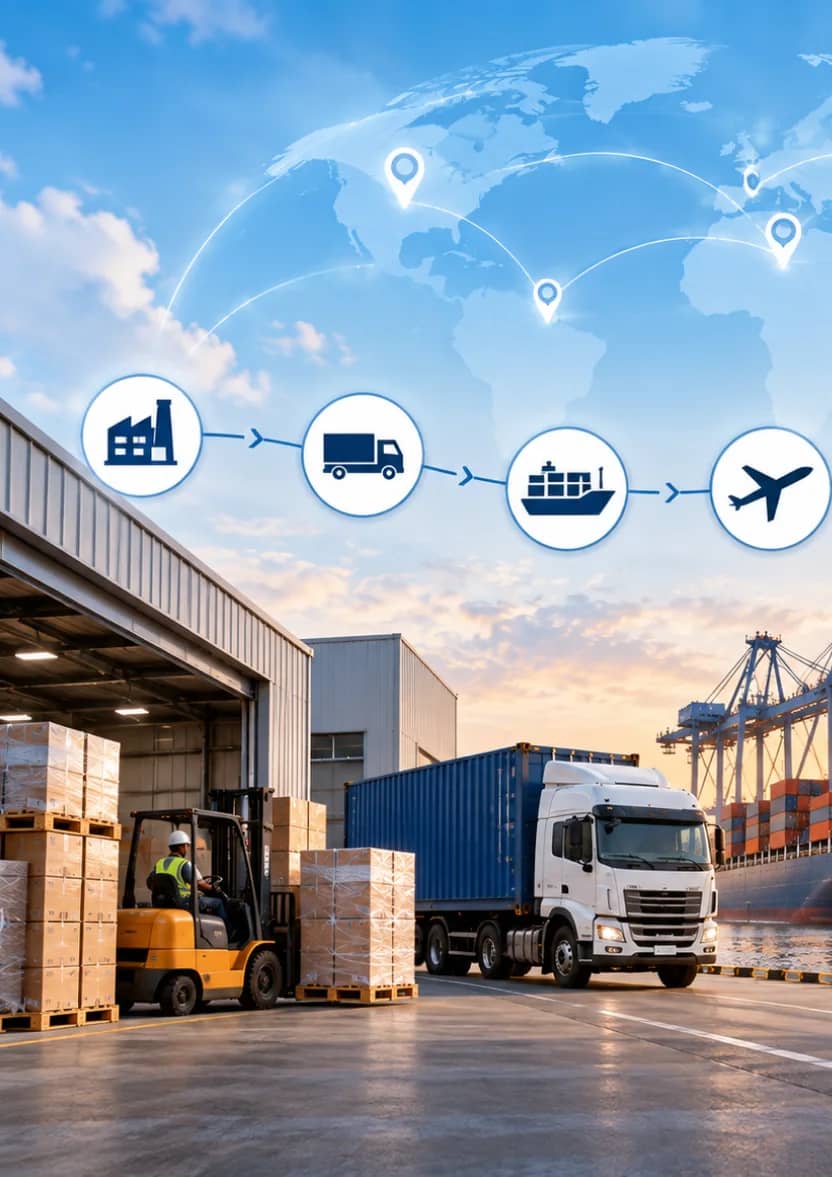
Transportation works best when it is planned together with the shipment schedule. AR Global Logistics coordinates inland movement around cargo readiness, pickup locations, delivery points, freight schedules and operational requirements.
Transportation of freight can involve moving commercial cargo from factories and suppliers to ports, airports, warehouses or customer locations. Vehicle selection and routing should consider cargo type, dimensions, weight, distance and delivery requirements.
AR Global Logistics supports freight transportation services as part of an integrated logistics approach. Coordinating transportation with freight forwarding can help reduce gaps between international shipment milestones and local delivery requirements.
Truck transportation services are commonly used for first-mile pickup, port or airport transfers, warehouse movement and final delivery. The appropriate vehicle depends on cargo characteristics, route, load requirements and destination access.
Distribution involves moving goods through the supply chain to the required destination. Last-mile delivery is the final movement to the receiving location and may require careful scheduling, site coordination and delivery instructions.
When inland transportation and international freight are coordinated together, businesses can manage the shipment as one connected logistics process. This can help align pickup, cargo handover, arrival and final delivery milestones.
Road movement is coordinated around vessel, flight and delivery cut-offs.
Vehicle type is considered according to cargo and route requirements.
Transportation can be linked with freight, customs and warehousing.
Pickup, transit and delivery information is shared with the customer.
Managing different logistics partners for pickup, freight, customs and delivery can make shipping complicated.
Explore Door-to-Door LogisticsWarehousing can play an important role when cargo needs to be stored, consolidated or prepared before its next movement.
Explore Warehousing & Value-Added ServicesSea freight is a practical choice for businesses moving larger volumes of cargo across international markets.
Explore Sea Freight – FCL & LCL